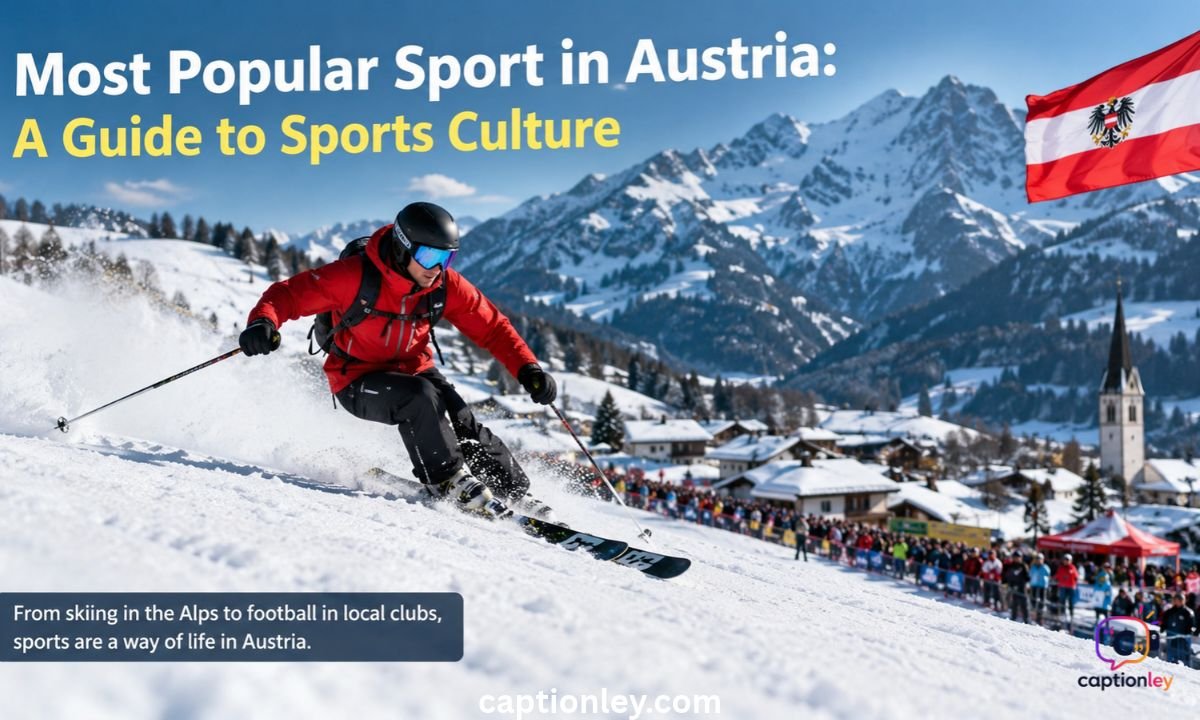
The most popular sport in austria is football, while alpine skiing is the sport most closely tied to the country’s national identity. This guide uses Austria as a focus point and then widens the view to sports popularity by country.
It explains why sports matter, how football, American football and ice hockey fit into global sports culture, and why regional preferences differ. It also looks at cultural influence, media, economic impact, youth participation and future trends. Popularity figures vary between surveys, so treat the examples as general guidance, not exact rankings.
Why the Most Popular Sport in Each Country Matters
Sports are more than entertainment. They shape identity, unity and national pride. When fans cheer for national teams or local clubs, they show a connection to their culture, their region and each other. In Austria, this is easy to see on a winter weekend, when ski races and football matches draw large and passionate audiences.
Several factors decide which sport becomes the favorite in a country:
- Historical influence: Colonial ties and old trade links often spread sports across borders.
- Media coverage: Sports with regular broadcasts gain bigger audiences.
- Accessibility and infrastructure: Sports with cheap equipment and nearby facilities grow faster.
- Success of national teams: Wins create heroes and attract new fans.
- Cultural traditions: Festivals and local customs keep certain sports alive.
Cricket shows the effect of history. It spread through the former British Empire, so it is now central to sports culture in India, Pakistan and Bangladesh. Football spread widely for a different reason. It needs very little equipment and can be played almost anywhere. Understanding these factors helps explain why the most popular sport in Austria differs from the favorite in Canada or Japan, even though all three are developed countries with strong sports industries.
Most Popular Sports in the World
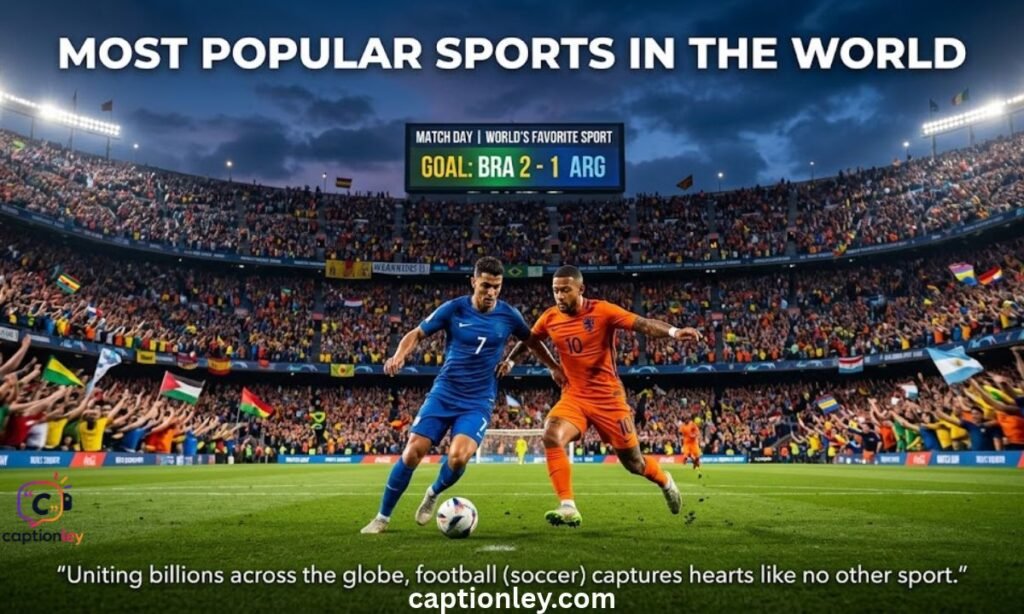
Three sports show how different the global picture can be: football, American football and ice hockey. Each leads in a different part of the world, and each reflects local history, climate and media habits. Austria connects to all three in some way, which makes it a useful example for European sports culture.
1. Football / Soccer
Football, called soccer in some countries, is widely considered the most popular sport in the world. It is followed across Europe, South America, Africa, the Middle East, Central America and much of Asia. Estimates of its fan base are often given in the billions, but exact numbers differ by source, so they should be used carefully. Cricket, basketball and field hockey are usually named among the other most popular sports in the world.
Football in Austria follows this wider pattern. The country’s top league, the Austrian Bundesliga, features well-known football clubs such as Red Bull Salzburg, Rapid Wien, Austria Wien and Sturm Graz. Soccer popularity in Austria is supported by local clubs, school teams and the national team, which regularly competes in international competitions. Austria also co-hosted the 2008 European Championship with Switzerland, an event that strengthened sports infrastructure and public interest. Austrian football culture is strongest in cities like Vienna, Graz and Salzburg, where club rivalries pass from one generation to the next. Even so, in some European countries other sports outrank football locally. Basketball leads in Lithuania and Latvia, and ice hockey leads in Finland.
2. American (NFL) Football
American football is the most popular sport in the United States. Its top competition is the NFL, the National Football League, which has 32 teams split into two conferences: the National Football Conference and the American Football Conference. The regular season now runs 17 games over 18 weeks, with each team getting one bye week, which is a week off.
The best teams then enter the playoffs. The final game is the Super Bowl, one of the most-watched sporting events in the world, and the winner receives the Lombardi Trophy, named after coach Vince Lombardi. The league shows how sports broadcasting and sponsorship can turn one national sport into a global sports entertainment product.
American football is small in Austria, but it exists. A domestic league and clubs such as the Vienna Vikings give fans a place to follow the game. It remains a niche activity compared with football and skiing, which shows how regional sports preferences shape what grows.
3. Ice Hockey
Ice hockey is deeply loved in Canada and is widely seen as its national winter sport. The game is commonly traced back to Montreal, and it became a major part of Canadian culture. Children and adults play it, and millions of spectators attend matches every year.
A major organization is the Canadian Hockey League, formed in 1975. It oversees three junior leagues, the Western Hockey League, the Ontario Hockey League and the Quebec Major Junior Hockey League, with around 60 teams in total, most of them in Canada and some in the United States. These leagues develop young athletes who often move on to professional sports.
Ice hockey in Austria has a smaller but loyal following. The country’s clubs compete in the ICE Hockey League, an international league that includes teams from several European countries. Clubs such as KAC Klagenfurt and the Vienna Capitals have strong local support. Ice hockey fits naturally into winter sports culture in Austria, where cold weather and mountain regions support outdoor and indoor ice activities.
Regional Differences in Predominant Sport in Various Countries
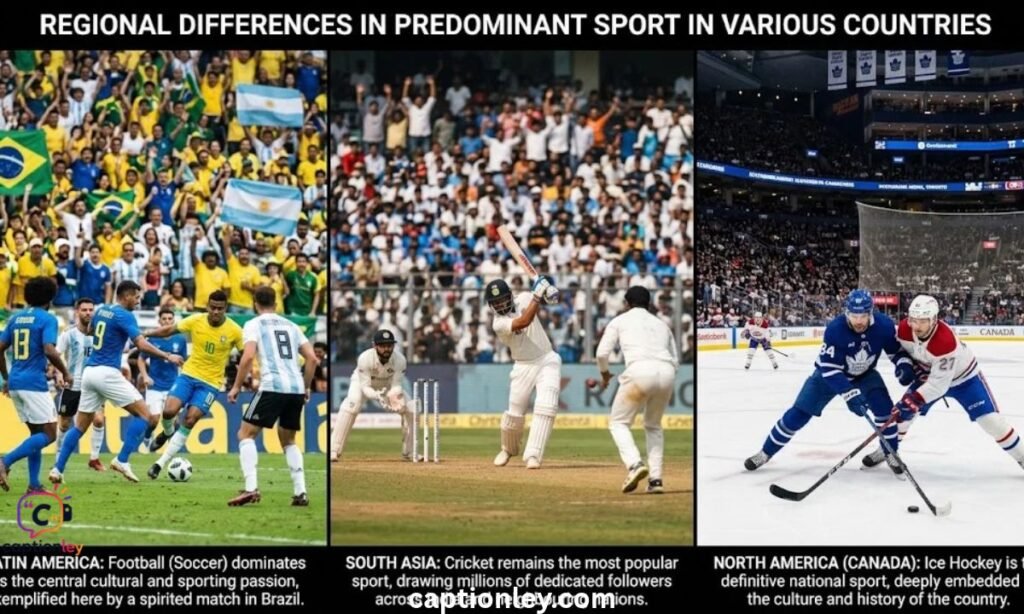
Football and cricket dominate large parts of the world, but many regions favor other sports. These regional sports preferences depend on climate, history and tradition.
Baseball is dominant in Japan, Cuba and the Dominican Republic. Ice hockey leads in Canada and Finland, where cold weather supports the sport for much of the year. Rugby is very popular in New Zealand and Fiji, where strong results in international tournaments have strengthened its place in national life.
Austria is a good example of how geography changes sports culture. The country sits in the Alps, so mountain sports are part of everyday life. Skiing in Austria is not just a hobby. It is a seasonal tradition, a major tourism driver and a source of national pride. Alpine skiing in Austria produced famous champions such as Annemarie Moser-Pröll, Hermann Maier and Marcel Hirscher, who became national heroes. Football remains the most played sport in Austria in terms of team participation, while skiing often defines the national sporting identity. The table below shows examples of popular sports in different countries.
| Country | Commonly Cited Most Popular Sport |
| Austria | Football (skiing is central to national identity) |
| United States | American football |
| Canada | Ice hockey |
| India | Cricket |
| Pakistan | Cricket |
| Bangladesh | Cricket |
| Brazil | Football |
| Argentina | Football |
| Germany | Football |
| Spain | Football |
| Japan | Baseball |
| Philippines | Basketball |
| Australia | Australian rules football |
| New Zealand | Rugby |
| Cuba | Baseball |
The table shows how culture, climate and history create different favorites. It is a simplified guide, since surveys can rank sports differently depending on whether they measure participation, viewership or cultural importance. China, for example, has huge interest in basketball and table tennis, so a single answer is hard to give.
Cultural Influence on the Most Popular Sport in Each Country
Culture is a major force behind national sports preferences. Traditional sports often grow into modern professional sports, and old customs keep certain activities alive. Gaelic football remains central to Irish culture, and Mongolia holds traditional wrestling during national festivals. These traditions keep such sports popular even when international competition is strong.
Traditional Austrian sports show this clearly. Eisstockschießen, a team game similar to curling where players slide a heavy stick across ice or asphalt toward a target, is played in many Alpine communities. Winter customs, mountain festivals and village competitions keep sports traditions in Austria active. These local activities sit beside modern professional sports and help explain why Austria’s sports culture feels both traditional and international.
National success also raises popularity. When a country performs well in international competitions, fans become more excited and more young people try the sport. Austria’s history in alpine skiing is a strong example. The Austrian Ski Federation, known as the ÖSV, is the national body that organizes training and competition, and decades of success have kept skiing at the center of the national story. The Hahnenkamm race in Kitzbühel, held on a famous course called the Streif, is one of the best-known events in ski racing and attracts large crowds each year. The same effect works in reverse for football. A strong tournament run by the national team can quickly lift attendance, television audiences and youth sign-ups across the country.
Media and Globalization Influence

Modern media has a major effect on sports popularity. Television, online streaming and social media expose fans to competitions from every region. People now follow sports in countries they have never visited, which supports the globalization of sports.
Football is the clearest example. Top leagues are broadcast worldwide, so fans in Austria can watch English, Spanish or German matches alongside their local Bundesliga. This exposure helped football become the favorite sport in developing and developed countries alike. International cricket tournaments have done something similar, spreading the game beyond its traditional regions.
Sports media coverage also affects which athletes become stars. In Austria, ski races are a major television event in winter, with strong audiences for World Cup events. Football matches, ice hockey games and motorsport also receive regular coverage. The Austrian Grand Prix, held at the Red Bull Ring in Spielberg, brings Formula 1 racing to the country each year and adds to its international sports popularity.
Streaming platforms now introduce new audiences to less common sports. A fan can watch American football or ice hockey live from another continent, which slowly changes global sports culture. The result is a mix of strong local traditions and growing international interest, especially among younger viewers who follow sports mainly on their phones.
Economic Impact of the Most Popular Sport in Each Country

Popular sports influence national economies. Professional leagues earn money through ticket sales, sponsorship and broadcasting rights. Broadcasting rights are payments that television and streaming companies make to show matches. This income supports clubs, athletes and the wider sports industry.
Countries that love football often invest in stadiums, youth academies and training centers. These investments help develop talent and strengthen the sports economy. Large events add further value, because international competitions attract visitors, hotels, restaurants and media attention.
Sports tourism in Austria is a strong example. Winter tourism is a major part of the economy in Alpine regions, and skiing in Austria draws visitors from many countries each season. Ski resorts, mountain railways, hotels and equipment shops depend on the sport. Austria has also hosted major events, including the Winter Olympic Games in Innsbruck in 1964 and 1976, and the first Winter Youth Olympic Games in Innsbruck in 2012. These events improved facilities that still serve athletes and tourists today.
Football adds its own economic value through club revenue, sponsorship deals and match-day spending. Companies such as Red Bull, which owns clubs in several sports, show how sports sponsorship can connect a brand to local pride. The economic impact of sports in Austria therefore reaches beyond the stadium or the ski slope into jobs, tourism and national branding.
Youth Participation and Future Trends
Young athletes are essential to the future of any sport. Schools, community clubs and youth leagues encourage children to stay active and learn teamwork. In Austria, many children learn to ski early, often through school trips and local clubs, which keeps sports participation in Austria strong. Football clubs also run youth academies that train young players and prepare them for professional sports.
Young players are often inspired by national heroes. A child who watches a ski champion or a football star may start training the same year. Youth programs therefore help pass the most popular sport in a country on to the next generation. Sports development in Austria depends on this link between role models, clubs and public support.
Trends can change, though. Digital media and international events sometimes make new sports popular. Basketball, tennis, climbing and esports attract younger audiences, and Austria has produced tennis stars such as Dominic Thiem, the 2020 US Open champion. Climate change is also a growing concern for winter sports, since shorter snow seasons may affect skiing and the industries that depend on it. Even so, traditional favorites usually keep their cultural strength, because they are tied to identity as well as entertainment.
Looking ahead, three future sports trends stand out:
- More streaming and mobile viewing: Fans will watch more events on phones and tablets.
- Greater focus on youth and inclusion: Clubs will try to attract more girls and new communities.
- Sustainability in winter and event planning: Organizers will look for ways to reduce environmental impact.
Frequently Asked Questions
What is the most popular sport in Austria?
Football is widely played and followed in Austria, while alpine skiing holds a special place in the country’s sporting culture and national identity.
Why is skiing so popular in Austria?
Skiing is popular in Austria because of its Alpine geography, snowy winters, famous ski resorts, and strong tradition of international winter sports competitions.
Is football more popular than skiing in Austria?
Football attracts widespread participation and year-round attention, while alpine skiing enjoys enormous cultural importance, especially during winter competitions and international sporting events.
What other sports are popular in Austria?
Besides football and skiing, Austrians enjoy ice hockey, tennis, cycling, snowboarding, and ski jumping, reflecting the country’s diverse sporting interests and traditions.
How does sports culture influence tourism in Austria?
Austria’s sports culture attracts international visitors through Alpine skiing, winter sports events, football matches, and outdoor activities, supporting tourism and the local economy.
Conclusion
The most popular sport in Austria is football, while alpine skiing remains the strongest symbol of the country’s sporting identity. Together they show that popularity depends on culture, history, geography, media and economics.
Around the world, football leads because it is easy to play and widely broadcast, cricket thrives across South Asia, baseball dominates parts of East Asia and the Caribbean, and ice hockey and rugby lead in certain regions. For any country, the sports people follow tell a story about who they are. Austria’s mix of football, winter sports and strong traditions is a clear example.

Maryam is a passionate content writer with 4 years of experience at CaptionK, where she developed engaging and informative content. Currently, she is working at Captionley.com, creating high-quality content that connects with readers and delivers meaningful value.